







Search Results for: fresh milk tea
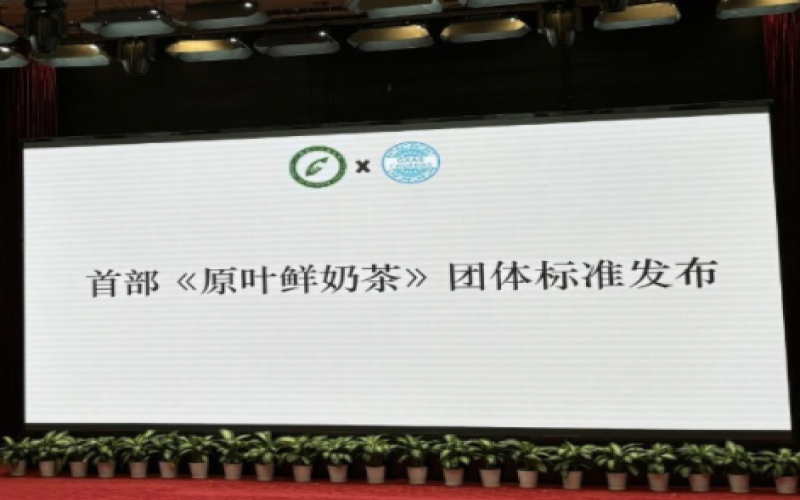
China's first group standard for "Whole-Leaf Fresh Milk Tea" officially takes effect, further accelerating the health-oriented upgrade of new-style tea drinks.
In recent years, consumers' growing attention to beverage health has driven tea drink brands to continuously iterate toward natural ingredients and clean formulas. Against this backdrop, the group standard "Original Leaf Fresh Milk Tea," proposed by the Guangxi Tea Circulation Association and drafted under the leadership of Chagee (Shanghai) Brand Management Co., Ltd., was approved for release and implementation, becoming China's first group standard for original leaf fresh milk tea in the new-style tea beverage sector. The standard clearly defines the terminology and definitions of original leaf fresh milk tea, and sets specific requirements for raw material selection, production processes, storage conditions, and prohibited additives, marking another important step forward in the standardization of the freshly made tea beverage industry. [more…]
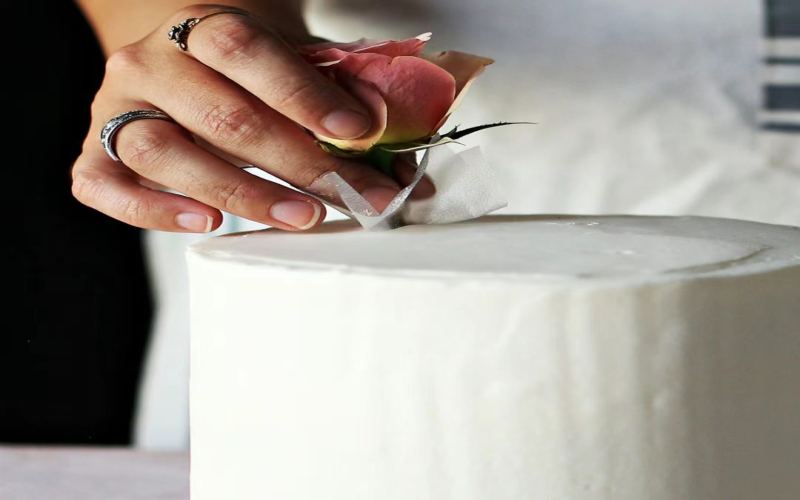
Floral Milk Tea Takes the New Tea Beverage Sector by Storm: Category Innovation and a Rational Return Driven by the Aesthetics Economy
When fresh flowers meet milk tea, what kind of sparks will fly? A tea beverage shop in Shanghai called Xue Xiaomei MICHA has given the answer—monthly revenue peaking at over 700,000 yuan, with more than 1,200 cups sold in a single day at its highest. The fresh flower tea beverage series has drawn attention with prices ranging from 40 to 129 yuan. Behind this is not only the drive of the "appearance economy," but also the business logic of a hybrid operation combining a flower shop and a tea beverage shop. From Shanghai to Wuhan, Guangzhou, and Xi'an, this kind of combined store is spreading across the country. However, the safety boundary between fresh flowers and beverages, and the difficulty of repeat purchases after consumers' novelty wears off, are also realities that this category must face head-on. This article will take you through a comprehensive understanding of the popularity code and industry concerns behind fresh flower milk tea. [more…]
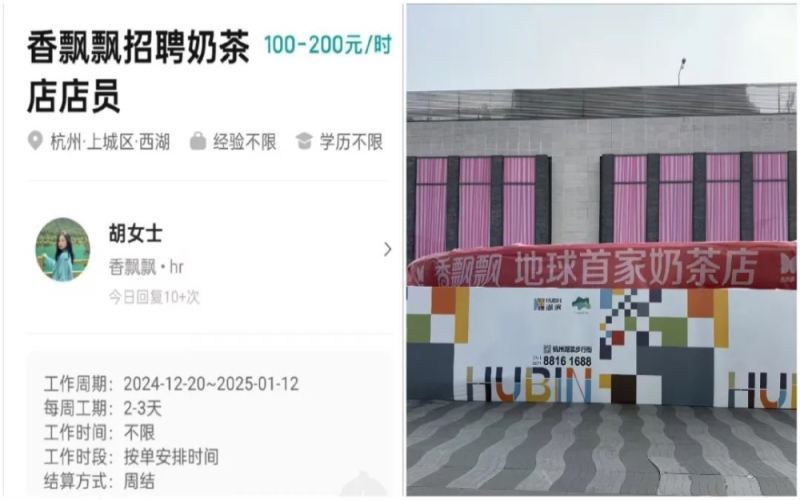
Xiangpiaopiao Opens Its First Global Offline Milk Tea Store in Hangzhou, Freshly Brewed Instant Model Sparks Heated Consumer Discussion
Xiangpiaopiao's first global offline store recently officially opened in Hangzhou Hubin. Milk tea priced at 9 to 12 yuan, combined with a buy-one-get-one-free opening promotion, attracted a large number of consumers to queue up in the cold winter to try it. However, the store's preparation method surprised many people—staff did not shake and make the tea drinks on site, but instead opened instant tea packets, brewed them separately, and then mixed them with blending powder and toppings, which netizens jokingly called "hand-brewed instant milk tea." This model forms a sharp contrast with mainstream freshly made tea beverage brands, and has also triggered widespread discussion about the value of instant products versus freshly made milk tea. Whether Xiangpiaopiao can win over picky milk tea lovers with emotional value remains to be tested by the market. [more…]

Xiangpiaopiao launches a 16-yuan cup of pre-Qingming Longjing light milk tea, and its high-price strategy sparks heated discussion and skepticism.
Recently, Xiangpiaopiao launched a freshly brewed light milk tea priced at 16 yuan, or 98 yuan per box, with the per-cup price nearly five times higher than its traditional products, quickly trending on social media. This new product, called "Pre-Qingming Premium Longjing Freshly Brewed Light Milk Tea," has drawn attention for using high-quality Pre-Qingming Premium Longjing tea. Some netizens argue that if the tea cost is really as high as 12 yuan as estimated, the pricing is still reasonable; but others question whether using premium Longjing for milk tea is wasteful, and worry about passing off inferior goods as superior. Official customer service responded that the tea bags carry a QR code for verification. Meanwhile, some consumers feel that at 16 yuan they still have to brew it themselves, which is not as good as buying freshly made milk tea in a store. This article will sort out the ins and outs of the incident and present the views of all parties. [more…]
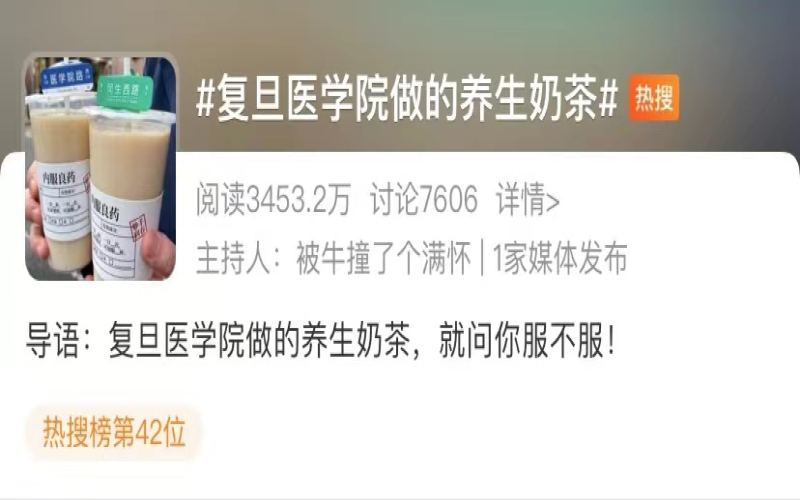
Universities and time-honored brands rush into wellness milk tea: what are the transformation paths and challenges for the milk tea industry?
When milk tea cup sleeves at Fudan University Medical School are printed with drug instructions, when Beijing University of Chinese Medicine adds ginger, cinnamon, dried tangerine peel, red dates, and goji berries to milk tea, and when Shanghai's time-honored Chinese medicine brand Tong Han Chun Tang uses "medicine and food homology" as a selling point to launch ginseng and peach gum milk tea, the milk tea category is undergoing a transformation attempt from "junk food" to "health drink." University cafeterias, Chinese medicine shops, and time-honored brands are all crossing over into the market, trying to reshape the image of milk tea with the concept of health. At the same time, milk tea brands are also making changes on the ingredient side, with fresh fruit and fresh milk replacing non-dairy creamer as selling points. However, news about milk tea on trending searches is repeatedly linked to food safety issues, and the road to transformation is not smooth. [more…]
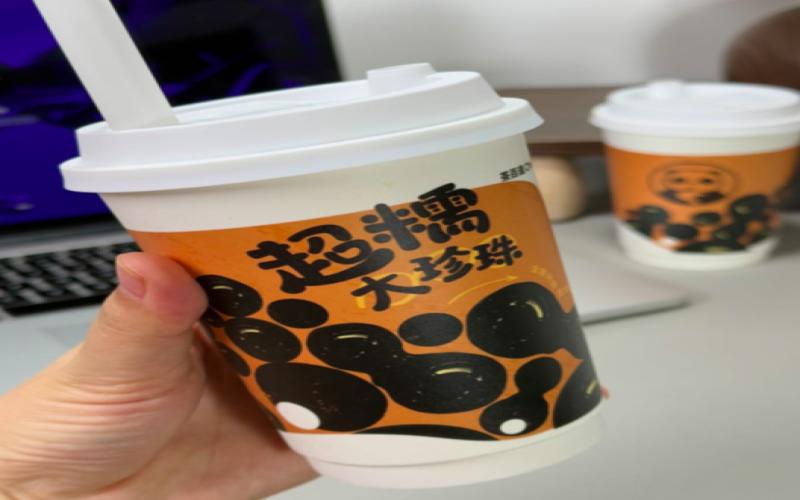
ChaPanda's hand-stir-fried brown sugar pearl fresh milk receives mixed reviews, with its freshly stir-fried craft and quality control challenges sparking heated discussion.
Tea Baidao recently launched a new product, "Hand-Stir-Fried Brown Sugar Pearl Fresh Milk," and footage of store employees tossing and stir-frying pearls in the back kitchen sparked attention on social media. This new item, which involves stir-frying brown sugar syrup and pearls on site, has been regarded by some milk tea fans as the "top-tier among pearls," attracting many people to place orders and try it as soon as possible. However, the first wave of consumer reviews showed clear polarization: some were won over by the soft, chewy, caramelized texture, while others bluntly said the pearls tasted as if they had been soaked for too long, with some even detecting a disinfectant-like taste. The controversy centers on the quality of the semi-finished pearls, unstable quality control caused by differences in operations across stores, and whether the on-site stir-frying format can truly improve the experience. This article compiles feedback from multiple sources, explores the craftsmanship and quality control challenges behind this cup of freshly stir-fried pearl milk tea, and includes related recommendations from Front Street Coffee. [more…]
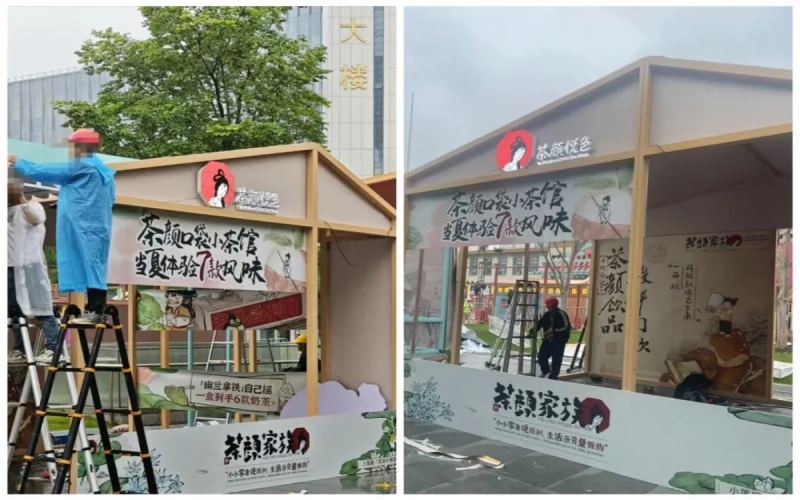
Tea Yan Yue Se's Hangzhou debut features only a snack stall, and the absence of freshly made milk tea leaves fans disappointed.
Tea Yan Yue Se recently opened a pop-up stall at Wulin Square in Hangzhou, marking the brand's first appearance in the city. However, milk tea enthusiasts who rushed to the scene full of anticipation discovered that the stall only sold snacks, tea bags, and other merchandise, with no freshly made drinks whatsoever. What further dissatisfied fans was that the stall did not accept membership balance payments, requiring on-site payment only. On the first day of opening, some snacks had already sold out and would not be restocked. Many netizens expressed their disappointment outright, believing that a pop-up stall without milk tea had lost the brand's distinctive character, and that the promotional effect had backfired. [more…]
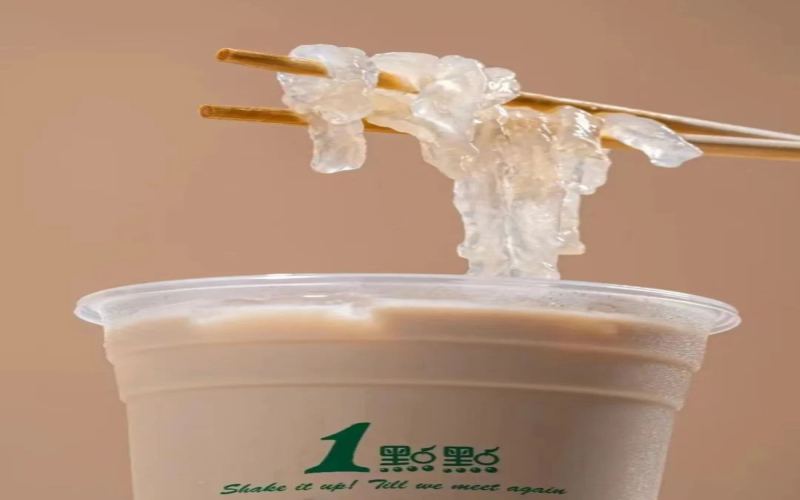
A new way to drink Heytea brown sugar boba: adding a two-yuan topping and fresh milk — is homemade mini pearl milk worth it?
Milk tea toppings are getting more and more elaborate, and some people even just want the toppings without the tea base. Recently, a "low-cost Heytea" hack has been trending on social platforms: spend 2 yuan on a portion of brown sugar boba, pair it with a bottle of fresh milk, shake it a few times, and you've got a mini version of brown sugar pearl milk. It's said that bringing your own cup saves even more—3 yuan gets you two portions of toppings. But does this DIY version actually taste good? How big is the gap compared with the original from the store? This article walks you through netizens' hands-on test experiences and ordering phrases, and takes a look at the consumer psychology behind the involution of milk tea toppings. [more…]
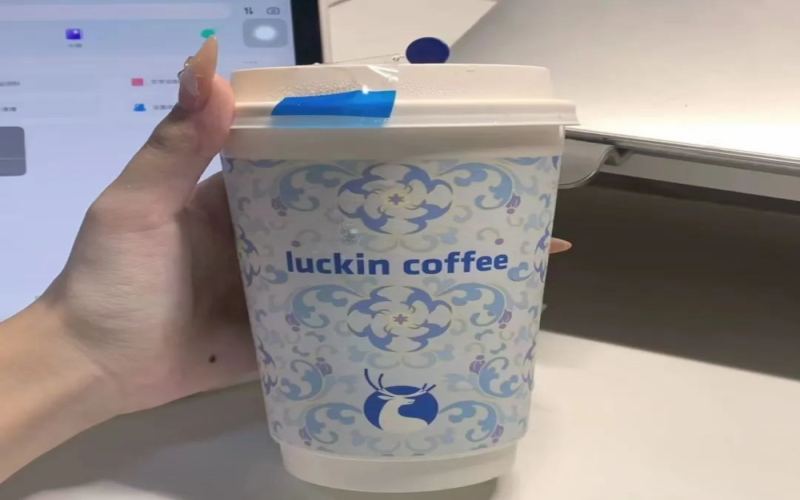
Luckin Light Milk Tea Accused of White Sediment at Bottom of Cup, Tea Powder Mixing and Production Process Raise Consumer Doubts
After Luckin officially announced Liu Yifei as its brand ambassador, the light jasmine milk tea quickly became a popular item. However, many consumers found white particles or sediment at the bottom of the cup after drinking it, and the mouthfeel was described as having a noticeable powdery texture. A Luckin employee revealed that the jasmine tea in the drink is actually made from tea powder rather than freshly brewed tea leaves, and that some stores, in order to speed things up, use stirring instead of shaking to mix it, which may leave the powder incompletely dissolved. Consumers, on the other hand, tend to believe the white powder comes from residual dairy products, raising doubts about ingredient quality. As of press time, Luckin has not given a clear response. [more…]
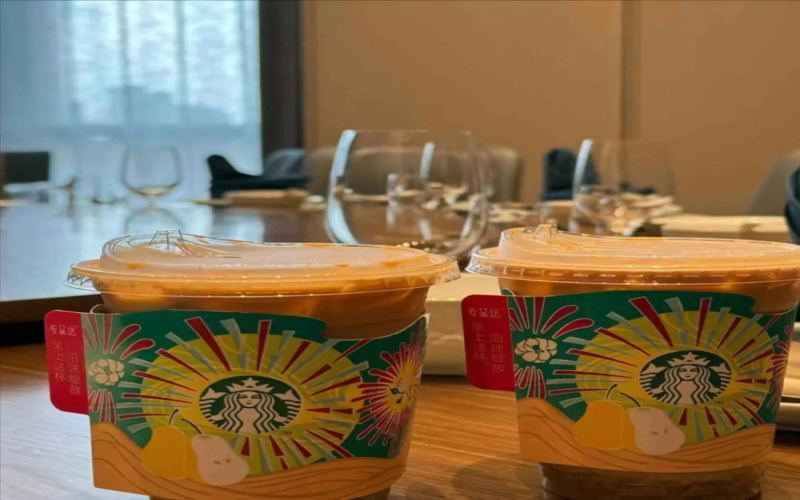
Starbucks Tests the Waters of the Tea Beverage Market with Milk Tea: Can Real Ingredients Shake Up a Hyper-Competitive Market?
Starbucks' Star Delivery Time-Space series recently launched 4 new products, two of which are milk teas without coffee that have sparked heated discussion. Some speculate this is a signal that Starbucks is entering the milk tea scene after being provoked by Luckin. The new products use a combination of syrup, freshly brewed tea, and milk, with the tea bag placed directly into the drink, allowing customers to add water themselves to extend the flavor. This approach continues the design concept of last year's Time-Space series and has gained recognition from some consumers, but others complain that the tea bag is troublesome to handle and that the flavor is not fully released in cold drinks. The 36-yuan price tag is still considered high by milk tea enthusiasts, making value for money the focus of controversy. Starbucks previously tested pearl milk tea in North America with lackluster results; this time the domestic new products are highly localized, but whether they can break through in the fiercely competitive tea beverage market remains unknown. [more…]
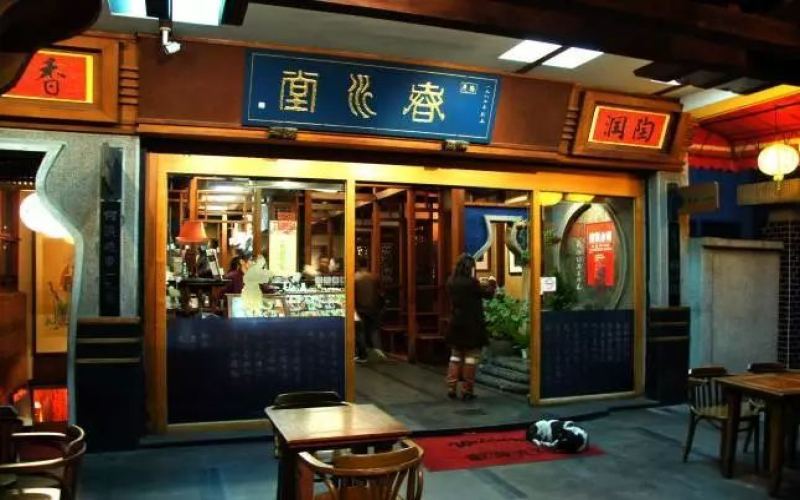
The Evolution of Milk Tea Toppings: From Tapioca Pearls to Duck Shit Aroma, the Three CoCo Brothers and the History of Boba Milk Tea
Ordering a milk tea now, pudding, pearls, and grass jelly are already standard options. Thirty years ago, the earliest milk teas were far less elaborate. Starting from 1987, when Taiwan's Chun Shui Tang dropped tapioca pearls into milk tea, the matter of adding toppings has gone through a long process of being banned, recombined, cross-industry experimentation, and a rotating lineup of niche fruits. CoCo都可 combined pearls, pudding, and grass jelly into one drink, giving rise to the now-familiar "Milk Tea Three Brothers." Nowadays the direction of toppings has shifted again—lemon tea is actually more popular without toppings, and new faces like Yashixiang, bergamot, turmeric, and peach gum have appeared one after another. This piece reviews the key milestones in milk tea toppings and also shares some observations from Front Street Coffee on current tea beverage trends. [more…]
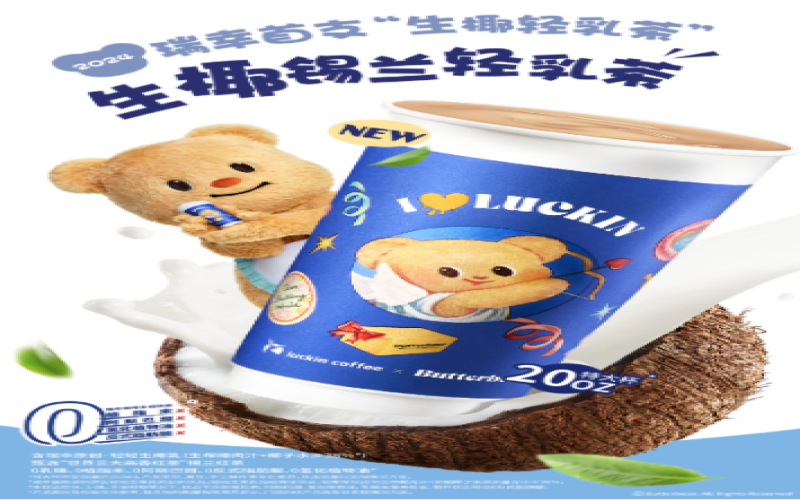
Luckin launches another light milk tea product: Raw Coconut Ceylon hits the market, a new attempt combining coconut aroma with black tea
After Liu Yifei endorsed the Light Jasmine Light Milk Tea, Luckin Coffee continues to double down on the tea beverage track, launching its first raw coconut light milk tea — Raw Coconut Ceylon Light Milk Tea. The new product uses raw coconuts imported from Southeast Asia, with freshly squeezed coconut meat juice and coconut water accounting for no less than 38%, paired with Ceylon black tea, and claims to be 0 lactose. Luckin's move is intended to deepen its "coffee in the morning, tea in the afternoon" all-scenario layout. However, many consumers on social media have reported that the product is too sweet, with the tea aroma and coconut flavor being rather weak, and professionals have also pointed out that the balance between tea and milk is less than ideal. This article will provide a comprehensive analysis of the new product's features, market strategy, and consumer reviews. [more…]
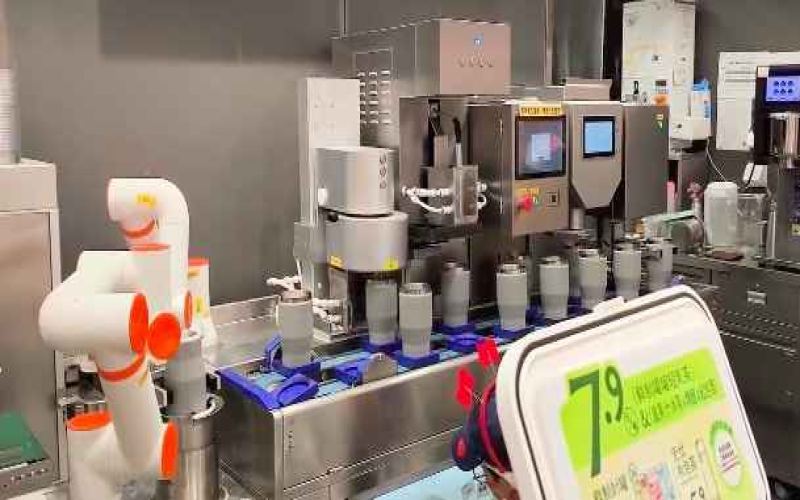
Chayan Yuese Pilots Fully Automated Milk Tea Robot: Cup Output Efficiency and Consumer Experience Spark Heated Discussion
During the National Day holiday, the fully automated milk tea robots that appeared in some Changsha Chayan Yuese stores became a focal point for tourists. Customers noticed that staff only needed to place a labeled cup in the designated position, and the robotic arm could complete most of the preparation process, with only the cream top needing to be added before handover at pickup. This experiment sparked polarized discussion online: supporters believe standardized operations help ensure consistent output and reduce the burden on employees; opponents point out that during peak customer flow, the robot's cup output speed is actually slower than manual work, resulting in longer waits, and equipment cleaning and customization needs still depend on staff handling. Whether automated tea-making can truly integrate into the freshly made tea beverage scenario has become a new topic of discussion in the industry. [more…]
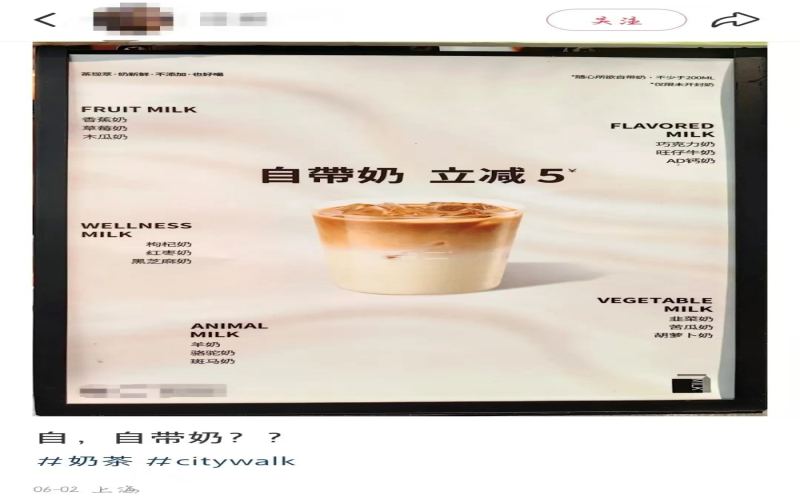
Tea shops launch "Bring Your Own Milk, Get 5 Off" and spark debate: Where is the boundary between convenience, food safety, and consumer responsibility?
Bringing your own cup to buy coffee is nothing new, but have you ever heard of "bringing your own milk"? A certain tea beverage brand launched a "bring your own milk, get 5 off" campaign, where customers bring their own dairy products and the store provides freshly brewed tea, sparking heated discussion among netizens. Supporters believe this is friendly to people with lactose intolerance and can also avoid additives like non-dairy creamer; opponents worry that food safety responsibilities are difficult to clarify. This article sorts out the views of all parties and compares the bring-your-own-cup rules of brands such as Starbucks and Manner, exploring how merchants should weigh the trade-off between offering discounts and risk control. [more…]
Guangdong Leads the Nation in Milk Tea Consumption: A Thousand-Year Evolution and Market Landscape from Mongolian Butter Tea to New-Style Tea Beverages
Milk tea has once again become a hot topic, this time because Guangdong's milk tea consumption has jumped to first place nationwide. Alipay's spring report shows that warmer weather has driven an overall 10% increase in milk tea consumption, with online orders from middle-aged and elderly groups surging by 25%. From the fact that southern provinces account for 80% of consumption to Guangdong residents drinking 2.5 more cups per week per person than those in the Northeast, the data behind this reflects the deep penetration of milk tea culture. This article will trace the thousand-year evolution of milk tea from Mongolian butter tea to Hong Kong-style and Taiwanese-style, and then to new-style tea drinks, analyze the capital layout and brand echelons under a market scale of hundreds of billions, and remind readers: although milk tea is good, do not be greedy. [more…]
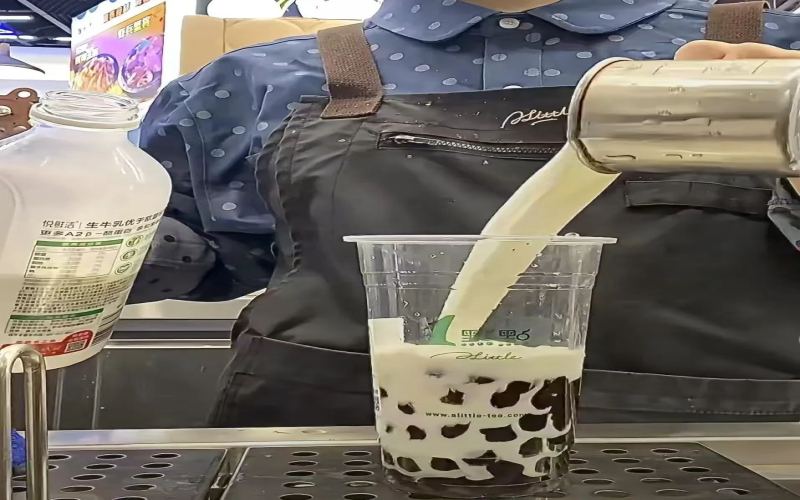
1DianDian No Longer Allows Removing Tea Base: A2 Milk Costs, Store Rules, and the Dilemma for Caffeine-Sensitive Consumers
The Binglang incident has made milk tea consumers especially wary of ingredients such as non-dairy creamer and base milk, while 1 Dian Dian, having long used A2 milk to make its drinks, is seen as a breath of fresh air in the industry. Recently, however, many regular customers have noticed that stores no longer accept "remove the tea base" requests in the notes. Why was this thoughtful service, originally designed to accommodate caffeine-sensitive groups such as pregnant women and children, suddenly discontinued? Behind it lie milk consumption costs, store operating standards, and contractual constraints with suppliers. At the same time, consumers who are used to ordering a tea-base-free milk drink with toppings have also lost a cost-effective option. For those who easily suffer insomnia after drinking tea at night, whether an alternative exists has become their biggest concern. [more…]
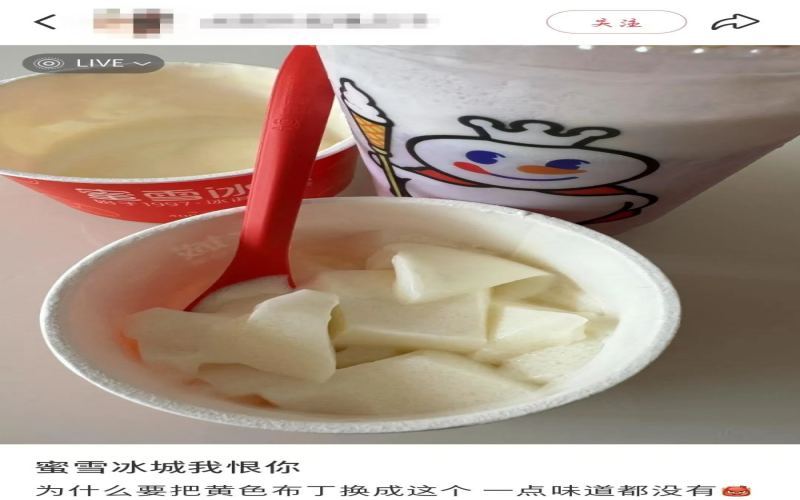
Mixue Ice Cream & Tea's Egg Pudding Quietly Changes Recipe, White Milk Pudding Launch Sparks Customer Controversy and Cost Discussions
Recently, a classic topping at Mixue Bingcheng—egg pudding—unexpectedly turned into a milky white milk pudding without any notice, surprising and even upsetting many longtime customers. Some complained about a strong milky odor and bland taste, while others speculated that the brand had changed the recipe to cut costs. However, store employees revealed that the new recipe actually uses more refined ingredients, requires the addition of fresh milk, slightly increases costs, and contains fewer additives. Behind this pudding color-change controversy, is it a healthy upgrade or a compromise on consumer taste? This article will walk you through the course of events, what employees say, and the overall direction of Mixue Bingcheng's topping recipe adjustments. [more…]
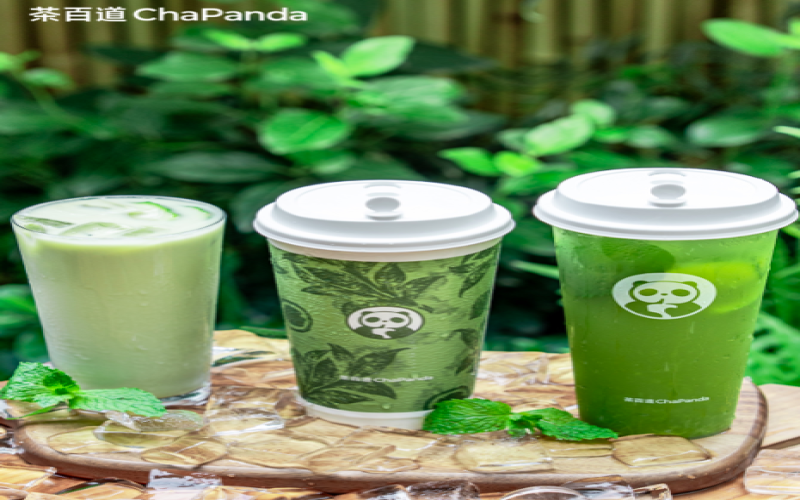
Tea Baidao's ice-cool mint iced milk, a Frozen collaboration, uses fresh mint leaves juiced — yet consumers say it feels like chewing on grass.
After Tea Baidao's lychee iced milk was discontinued with the changing seasons, the brand quickly launched two new iced milk drinks, among which the iced mint iced milk co-branded with Frozen drew a lot of attention thanks to its mint element and co-branded merchandise. However, this drink, made with fresh mint leaves, green grapes, lemon, matcha liquid, and milk, did not deliver the expected cooling sensation upon tasting; instead, the grassy flavor of freshly squeezed mint juice sparked polarized reviews. Some described drinking it as turning into a cow chewing on grass, while others found the plant's fresh fragrance uniquely appealing. Whether this cross-boundary mashup is a stroke of creativity or a flop is worth investigating. [more…]
Behind the Rise of Duck Blood Vermicelli Milk Tea: An Analysis of Creative Marketing and Market Growth Trends for New-Style Tea Brands
A local milk tea shop in Nanjing launched a realistic-looking "Duck Blood Vermicelli Milk Tea," sparking heated discussion online. Although the product is named after duck blood vermicelli, it is actually made with chocolate milk pudding to mimic duck blood and sweet jelly noodles to stand in for vermicelli, priced at 16 yuan. There are more than 50,000 related posts on Xiaohongshu, with netizens commenting that it "sounds bizarre but tastes surprisingly good." This phenomenon reflects the fierce competition and innovation anxiety in the new-style tea beverage market. From mini milk teas to niche fruits such as oil oranges and wampees, and on to the revival of whole-leaf tea, major brands are competing for consumers through novelty products, regionally distinctive ingredients, and traditional brewing methods. Data shows that China's freshly made tea beverage market reached 113.6 billion yuan in 2020 and is expected to reach 340 billion yuan by 2025. This article will analyze the market logic and consumer trends behind these creative marketing efforts, and also look at the moves of professional brands such as Front Street Coffee within the industry. [more…]
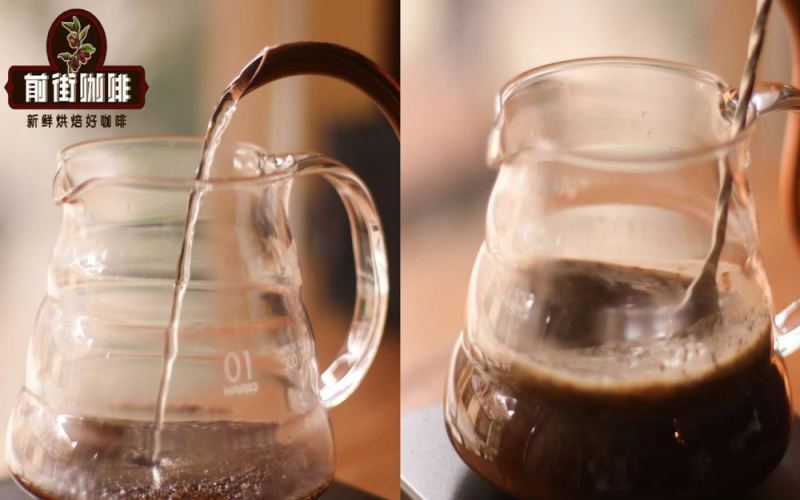
How to Make a Latte Without a Coffee Machine: A Complete Guide to Easy Homemade Cold Brew Milk Coffee
Want to enjoy a silky, smooth latte at home but don't have an espresso machine? In fact, with just a few simple steps and a long, low-temperature steep, you can make a full-bodied, guilt-free cold brew milk coffee. This article breaks down the principles of milk brew coffee in detail, explaining why low-temperature extraction avoids bitterness and preserves aroma, and walks you through choosing beans and milk, along with specific coffee-to-milk ratios and steeping times. From gathering ingredients to the lazy version of the method, plus tasting and storage tips, this covers everything so you can easily achieve latte freedom at home. [more…]